What Factors Affect the Duration of Restoration?
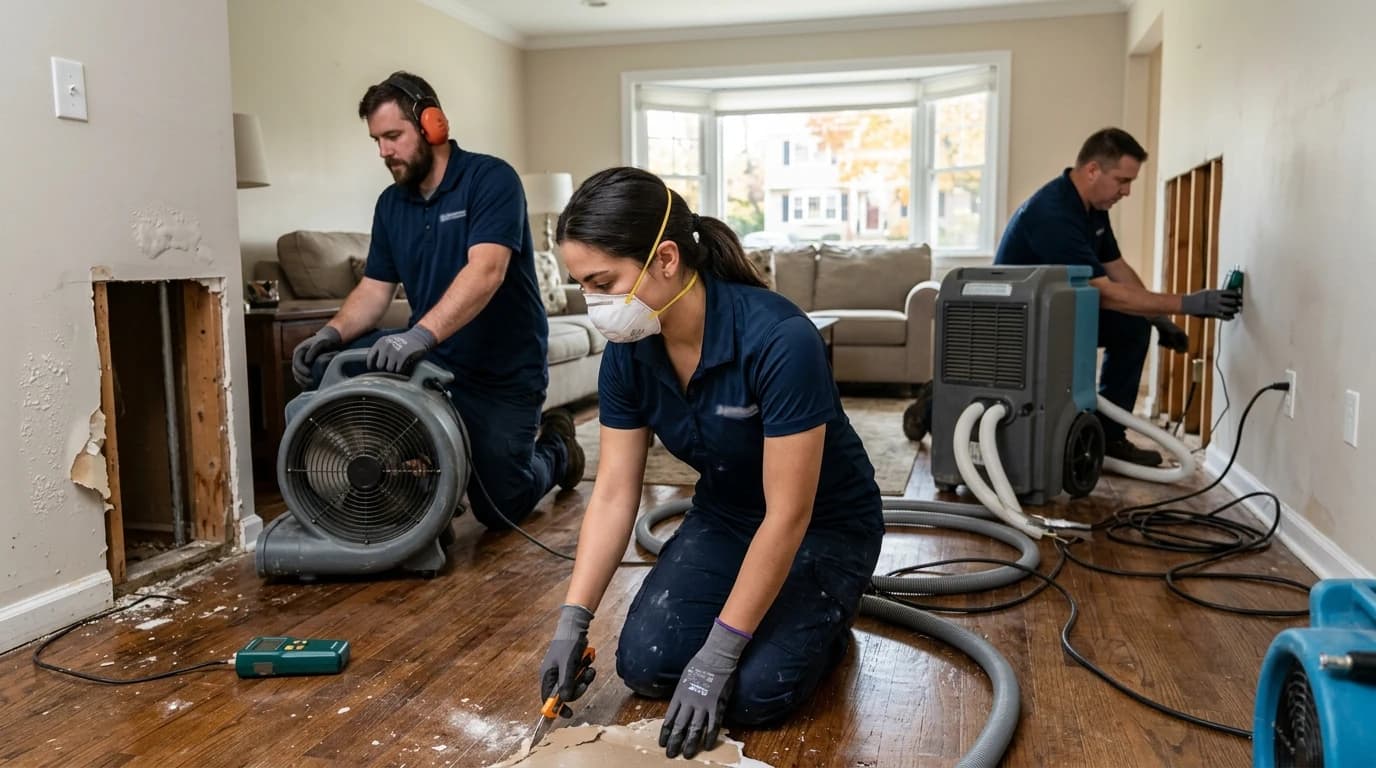
The timeline for water damage restoration depends on several factors, including the extent of the damage, the affected area size, and the type of water involved (clean, gray, or black water). In Wyckoff, restoration can take anywhere from a few days to several weeks. For minor leaks, the process might be quick, but substantial flooding or damage affecting structural elements can extend the timeframe significantly.
1. Extent of Damage: Minor leaks usually involve limited water exposure and can be addressed quickly. In contrast, extensive water damage, such as from a burst pipe or significant flooding, often requires more time to dry out the structure and repair damaged areas.
2. Area Size: Larger affected areas naturally require more time to address. A flooded basement, for example, will take longer to restore than a small bathroom leak.
3. Type of Water: Clean water from a supply line is less complicated to handle than gray or black water, which can contain contaminants that require specialized handling and cleaning procedures.
4. Building Materials: Some materials, like carpets and drywall, absorb water more readily and take longer to dry, while others, such as tile and concrete, may dry more quickly but can be more challenging to repair if damaged.
Understanding these factors can help homeowners set realistic expectations and better prepare for the restoration process.
1. Extent of Damage: Minor leaks usually involve limited water exposure and can be addressed quickly. In contrast, extensive water damage, such as from a burst pipe or significant flooding, often requires more time to dry out the structure and repair damaged areas.
2. Area Size: Larger affected areas naturally require more time to address. A flooded basement, for example, will take longer to restore than a small bathroom leak.
3. Type of Water: Clean water from a supply line is less complicated to handle than gray or black water, which can contain contaminants that require specialized handling and cleaning procedures.
4. Building Materials: Some materials, like carpets and drywall, absorb water more readily and take longer to dry, while others, such as tile and concrete, may dry more quickly but can be more challenging to repair if damaged.
Understanding these factors can help homeowners set realistic expectations and better prepare for the restoration process.
What Are the Typical Phases of Water Damage Restoration?
Water damage restoration generally involves several phases, each critical for thorough recovery. Initially, professionals will focus on water removal and drying, typically taking a few days to a week. This phase is crucial as it prevents further damage and mold growth.
1. Inspection and Assessment: Upon arrival, restoration experts assess the damage, identifying the water source and determining the water category and class. This step establishes a tailored action plan.
2. Water Removal: Using powerful pumps and vacuums, professionals remove standing water. The quicker this step is completed, the less damage will occur.
3. Drying and Dehumidification: After water removal, drying is done using industrial-grade dehumidifiers and air movers. This process can take several days, ensuring that all moisture is eradicated to prevent mold.
4. Cleaning and Sanitizing: This involves cleaning and disinfecting personal belongings and structural elements. Special treatments may be applied to remove odors and prevent mold.
5. Restoration and Repairs: This final phase includes repairing damaged structures, such as replacing drywall, and restoring the home to its pre-damage state. The time required here can vary significantly based on the extent of the damage.
For a detailed breakdown of our services, visit Wyckoff Water Damage Restoration.
1. Inspection and Assessment: Upon arrival, restoration experts assess the damage, identifying the water source and determining the water category and class. This step establishes a tailored action plan.
2. Water Removal: Using powerful pumps and vacuums, professionals remove standing water. The quicker this step is completed, the less damage will occur.
3. Drying and Dehumidification: After water removal, drying is done using industrial-grade dehumidifiers and air movers. This process can take several days, ensuring that all moisture is eradicated to prevent mold.
4. Cleaning and Sanitizing: This involves cleaning and disinfecting personal belongings and structural elements. Special treatments may be applied to remove odors and prevent mold.
5. Restoration and Repairs: This final phase includes repairing damaged structures, such as replacing drywall, and restoring the home to its pre-damage state. The time required here can vary significantly based on the extent of the damage.
For a detailed breakdown of our services, visit Wyckoff Water Damage Restoration.
How Can Homeowners Expedite the Restoration Process?
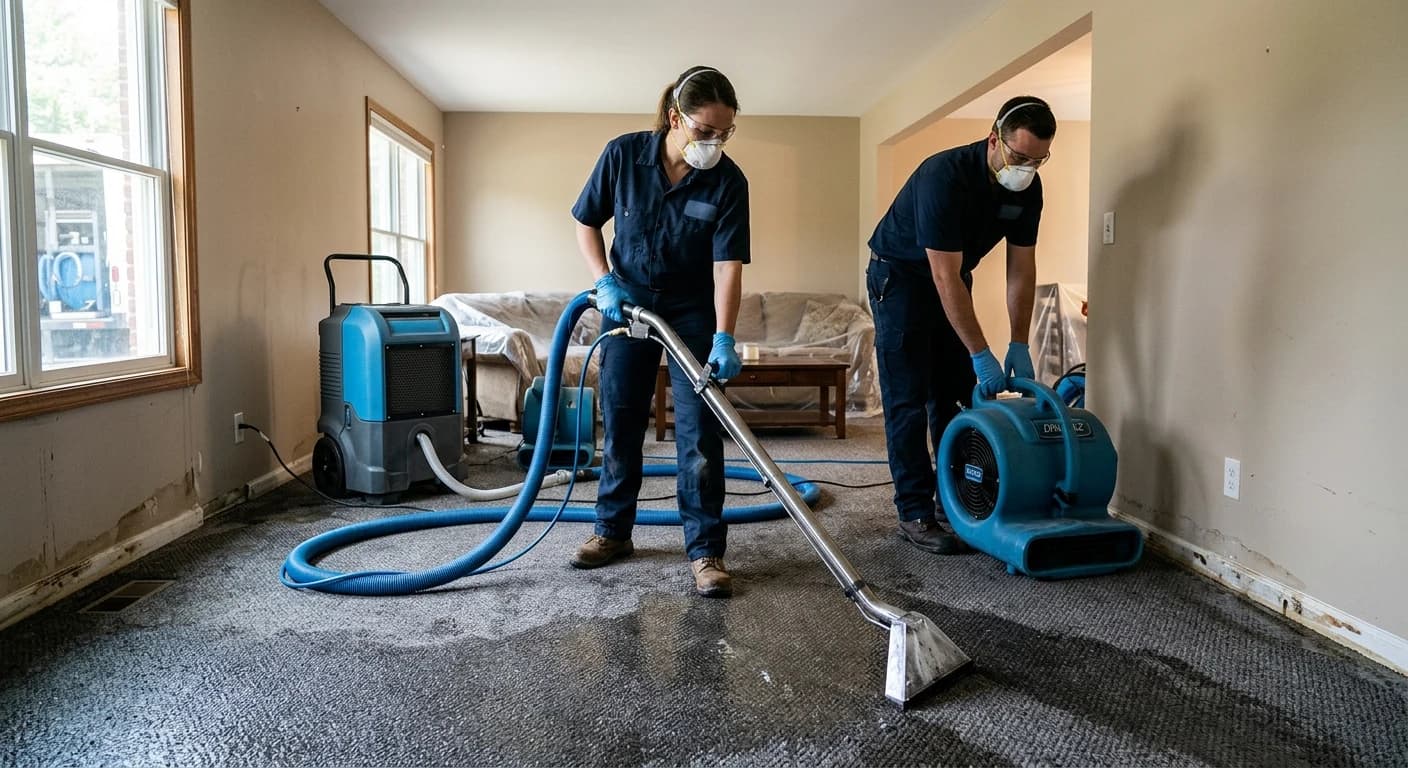
Homeowners can expedite the restoration process by taking immediate action when water damage occurs. This includes stopping the source of water, removing excess water, and drying the affected area as much as possible. Here are some actionable steps:
1. Immediate Response: As soon as water damage is detected, shut off the water source to prevent further damage. This might involve turning off a valve or stopping the flow of water from a burst pipe.
2. Safety First: Ensure that electricity is turned off in the affected areas to avoid electrical hazards. If you're unsure, wait for professionals to handle it.
3. Remove Excess Water: Use mops, towels, or a wet/dry vacuum to remove as much water as possible. This can prevent water from seeping into walls and flooring.
4. Ventilation: Open windows and doors to allow airflow through the affected area, helping to speed up the drying process. Fans and dehumidifiers can also aid in moisture removal.
5. Contact Professionals: Promptly contacting a professional restoration service in Wyckoff ensures that the necessary steps are taken quickly. They have the equipment and expertise to handle water damage efficiently.
6. Documentation: Take photos and document the damage for insurance purposes. This information will be helpful when filing a claim and can expedite the financial recovery process.
Additionally, maintaining open communication with the restoration team and providing access to the affected areas can help speed up the process.
1. Immediate Response: As soon as water damage is detected, shut off the water source to prevent further damage. This might involve turning off a valve or stopping the flow of water from a burst pipe.
2. Safety First: Ensure that electricity is turned off in the affected areas to avoid electrical hazards. If you're unsure, wait for professionals to handle it.
3. Remove Excess Water: Use mops, towels, or a wet/dry vacuum to remove as much water as possible. This can prevent water from seeping into walls and flooring.
4. Ventilation: Open windows and doors to allow airflow through the affected area, helping to speed up the drying process. Fans and dehumidifiers can also aid in moisture removal.
5. Contact Professionals: Promptly contacting a professional restoration service in Wyckoff ensures that the necessary steps are taken quickly. They have the equipment and expertise to handle water damage efficiently.
6. Documentation: Take photos and document the damage for insurance purposes. This information will be helpful when filing a claim and can expedite the financial recovery process.
Additionally, maintaining open communication with the restoration team and providing access to the affected areas can help speed up the process.
Why Professional Expertise is Crucial in Water Damage Restoration
Engaging professional water damage restoration services is essential for ensuring thorough and effective recovery. Experts bring specialized knowledge and equipment that are critical in managing different types of water damage. Their experience allows them to quickly assess the situation and implement a tailored response plan, minimizing potential long-term damage.
1. Advanced Equipment: Professionals use industrial-grade equipment like high-powered pumps, vacuums, and dehumidifiers that are far more effective than household tools. This equipment is crucial for efficiently removing water and drying affected areas.
2. Mold Prevention: Experts are trained to identify and mitigate mold risks, a common consequence of water damage. They apply specialized treatments to prevent mold growth, which can lead to health issues and further structural damage if left unchecked.
3. Comprehensive Assessment: Restoration professionals conduct thorough assessments to determine the extent of the damage, including hidden issues that might not be immediately apparent. This ensures that all affected areas are addressed, reducing the risk of future problems.
4. Insurance Assistance: Many restoration companies assist with insurance claims, providing documentation and assessments that can expedite the claims process. This support can be invaluable in navigating the complexities of insurance policies.
By leveraging professional expertise, homeowners can ensure a more efficient and effective restoration process, ultimately saving time and reducing stress.
1. Advanced Equipment: Professionals use industrial-grade equipment like high-powered pumps, vacuums, and dehumidifiers that are far more effective than household tools. This equipment is crucial for efficiently removing water and drying affected areas.
2. Mold Prevention: Experts are trained to identify and mitigate mold risks, a common consequence of water damage. They apply specialized treatments to prevent mold growth, which can lead to health issues and further structural damage if left unchecked.
3. Comprehensive Assessment: Restoration professionals conduct thorough assessments to determine the extent of the damage, including hidden issues that might not be immediately apparent. This ensures that all affected areas are addressed, reducing the risk of future problems.
4. Insurance Assistance: Many restoration companies assist with insurance claims, providing documentation and assessments that can expedite the claims process. This support can be invaluable in navigating the complexities of insurance policies.
By leveraging professional expertise, homeowners can ensure a more efficient and effective restoration process, ultimately saving time and reducing stress.
Understanding the Costs Involved in Water Damage Restoration
The costs of water damage restoration can vary significantly based on several factors, and understanding these can help homeowners budget accordingly. While the initial expense might seem high, timely and professional restoration can prevent more costly repairs in the future.
1. Extent and Type of Damage: The severity of the water damage is a primary cost determinant. Minor leaks involving clean water will generally be less expensive to address than extensive flooding involving contaminated water, which requires more intensive cleaning and safety measures.
2. Area Affected: Larger areas naturally incur higher costs due to the increased labor and materials required. For example, restoring a flooded basement will typically be more expensive than dealing with a small bathroom leak.
3. Materials and Repairs: The types of materials affected also influence costs. Some materials, like hardwood floors, may require specialized drying techniques or complete replacement, adding to the expense.
4. Professional Services: Hiring a professional service in Wyckoff ensures quality work but also comes with labor costs. However, their expertise in efficiently managing the restoration process can be cost-effective in the long run by preventing further damage.
5. Insurance Coverage: Homeowners should review their insurance policies to understand what is covered. Many policies cover water damage restoration, but specifics can vary, influencing out-of-pocket expenses.
By understanding these cost factors, homeowners can make informed decisions and better manage the financial aspects of the restoration process.
1. Extent and Type of Damage: The severity of the water damage is a primary cost determinant. Minor leaks involving clean water will generally be less expensive to address than extensive flooding involving contaminated water, which requires more intensive cleaning and safety measures.
2. Area Affected: Larger areas naturally incur higher costs due to the increased labor and materials required. For example, restoring a flooded basement will typically be more expensive than dealing with a small bathroom leak.
3. Materials and Repairs: The types of materials affected also influence costs. Some materials, like hardwood floors, may require specialized drying techniques or complete replacement, adding to the expense.
4. Professional Services: Hiring a professional service in Wyckoff ensures quality work but also comes with labor costs. However, their expertise in efficiently managing the restoration process can be cost-effective in the long run by preventing further damage.
5. Insurance Coverage: Homeowners should review their insurance policies to understand what is covered. Many policies cover water damage restoration, but specifics can vary, influencing out-of-pocket expenses.
By understanding these cost factors, homeowners can make informed decisions and better manage the financial aspects of the restoration process.
How to Choose the Right Water Damage Restoration Service
Selecting the right water damage restoration service is crucial for ensuring effective recovery and minimizing long-term damage. With numerous options available, homeowners should consider several key factors to make an informed decision.
First, verify the company's credentials. Ensure they are licensed and insured, which provides protection against any potential liabilities during the restoration process. Check for industry certifications, such as those from the Institute of Inspection, Cleaning and Restoration Certification (IICRC), which indicate adherence to industry standards and best practices.
Experience is another critical factor. Companies with a long-standing presence in the industry are likely to have encountered a wide range of water damage scenarios and developed effective strategies to handle them. Ask for references or read online reviews to gain insight into their track record and customer satisfaction.
Availability is essential, as water damage requires immediate attention. Choose a service that offers 24/7 emergency response to ensure they can address the damage promptly. This rapid response can significantly reduce the extent of damage and associated costs.
Finally, consider the range of services offered. A comprehensive restoration service should include water extraction, drying, cleaning, and repair. Some companies may also offer additional services, such as mold remediation, which can be beneficial if mold growth is a concern.
By carefully evaluating these factors, homeowners can select a reliable and skilled restoration service, ensuring a smoother and more effective recovery process.
First, verify the company's credentials. Ensure they are licensed and insured, which provides protection against any potential liabilities during the restoration process. Check for industry certifications, such as those from the Institute of Inspection, Cleaning and Restoration Certification (IICRC), which indicate adherence to industry standards and best practices.
Experience is another critical factor. Companies with a long-standing presence in the industry are likely to have encountered a wide range of water damage scenarios and developed effective strategies to handle them. Ask for references or read online reviews to gain insight into their track record and customer satisfaction.
Availability is essential, as water damage requires immediate attention. Choose a service that offers 24/7 emergency response to ensure they can address the damage promptly. This rapid response can significantly reduce the extent of damage and associated costs.
Finally, consider the range of services offered. A comprehensive restoration service should include water extraction, drying, cleaning, and repair. Some companies may also offer additional services, such as mold remediation, which can be beneficial if mold growth is a concern.
By carefully evaluating these factors, homeowners can select a reliable and skilled restoration service, ensuring a smoother and more effective recovery process.
Preventive Measures to Minimize Future Water Damage
Preventing water damage is often more manageable and cost-effective than dealing with its aftermath. Homeowners can take several proactive steps to protect their property from potential water-related issues.
Regular maintenance and inspections are key. Check for leaks in plumbing, roofs, and windows, and address any issues promptly to prevent them from escalating. Inspect gutters and downspouts regularly to ensure they are clear of debris, allowing proper drainage and preventing water from pooling near the foundation.
Install water detection devices in vulnerable areas, such as basements, kitchens, and bathrooms. These devices can alert homeowners to leaks or flooding early, allowing for a swift response to minimize damage.
Consider upgrading to more resilient materials in areas prone to moisture exposure. For instance, choose water-resistant flooring options in basements or bathrooms, which can withstand occasional water exposure better than traditional materials.
Ensure proper grading around the home to direct water away from the foundation. This can prevent water from seeping into the basement or crawl spaces. Additionally, install sump pumps in basements to manage excess water and reduce the risk of flooding.
Finally, educate family members about water shut-off procedures and emergency contacts. Knowing how to quickly stop water flow in an emergency can significantly reduce damage.
By implementing these preventive measures, homeowners can reduce the risk of water damage and protect their property investment in the long term.
Regular maintenance and inspections are key. Check for leaks in plumbing, roofs, and windows, and address any issues promptly to prevent them from escalating. Inspect gutters and downspouts regularly to ensure they are clear of debris, allowing proper drainage and preventing water from pooling near the foundation.
Install water detection devices in vulnerable areas, such as basements, kitchens, and bathrooms. These devices can alert homeowners to leaks or flooding early, allowing for a swift response to minimize damage.
Consider upgrading to more resilient materials in areas prone to moisture exposure. For instance, choose water-resistant flooring options in basements or bathrooms, which can withstand occasional water exposure better than traditional materials.
Ensure proper grading around the home to direct water away from the foundation. This can prevent water from seeping into the basement or crawl spaces. Additionally, install sump pumps in basements to manage excess water and reduce the risk of flooding.
Finally, educate family members about water shut-off procedures and emergency contacts. Knowing how to quickly stop water flow in an emergency can significantly reduce damage.
By implementing these preventive measures, homeowners can reduce the risk of water damage and protect their property investment in the long term.