What Are the Risks of Ignoring Water Damage?
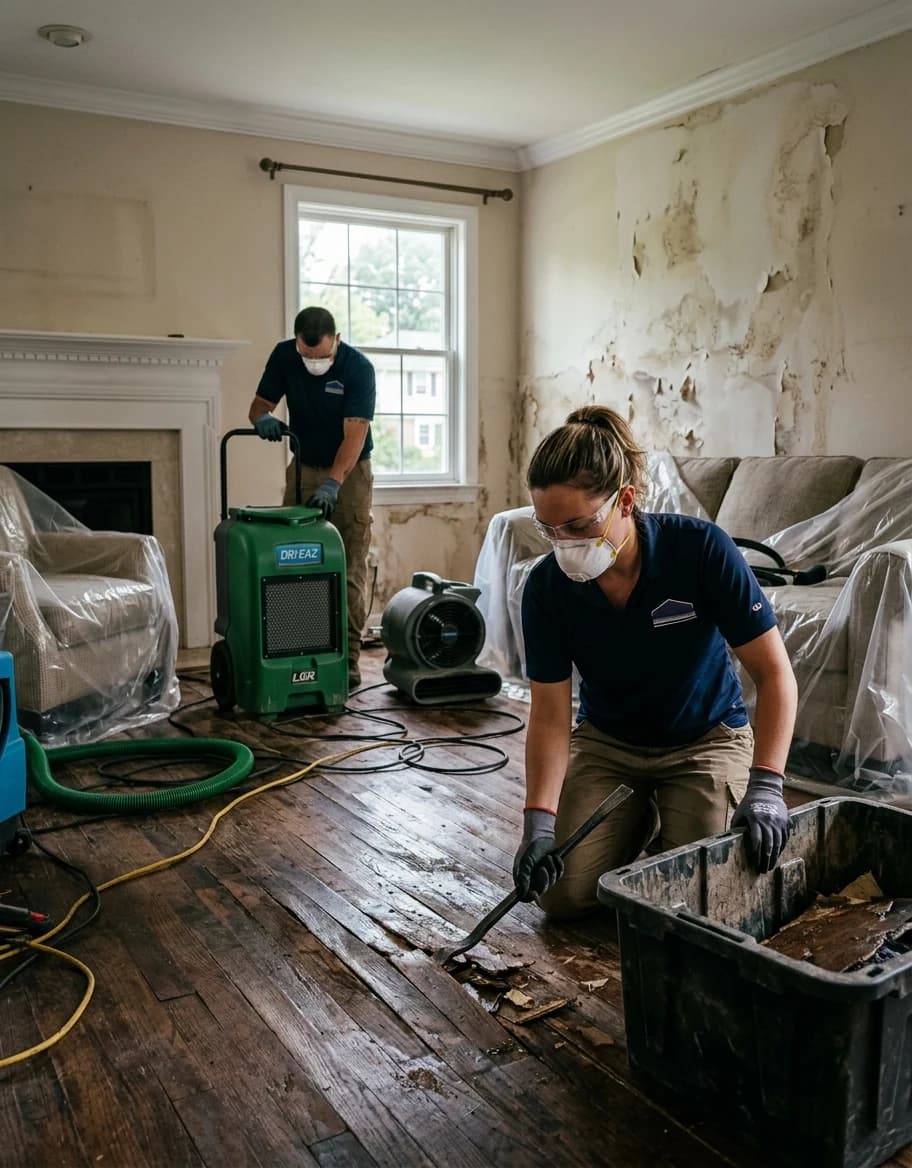
Ignoring water damage in your home can lead to a host of problems, including structural integrity issues. Over time, the water can weaken foundations, warp floors, and damage walls, potentially leading to costly repairs. For Wyckoff residents, it's essential to address any water damage promptly to avoid these severe consequences. Regular maintenance and inspections can help identify and mitigate these risks before they become significant problems.
### Structural Damage
Water has the potential to erode the materials that form the backbone of your home. Wood, a common building material, is particularly susceptible to water damage. As water seeps in, it can cause wood rot, weakening beams and supports. This can lead to sagging floors and ceilings, and in severe cases, structural collapse. Concrete is not immune either; prolonged exposure can cause cracks and destabilization of foundations.
### Electrical Hazards
Water and electricity are a dangerous combination. When water infiltrates your home, it can reach electrical wiring, leading to short circuits or even fires. It's crucial to ensure that all electrical systems are checked by a professional if you've experienced significant water intrusion. Replacing compromised wiring and ensuring proper insulation can prevent potential disasters.
### Pest Infestations
Moist environments are attractive to pests such as termites and carpenter ants, which can exacerbate structural problems. These pests thrive in damp wood, and untreated water damage can create a perfect habitat for them to multiply. Regular pest inspections can help detect early signs of infestation, allowing you to take preventive measures before they cause significant damage.
### Structural Damage
Water has the potential to erode the materials that form the backbone of your home. Wood, a common building material, is particularly susceptible to water damage. As water seeps in, it can cause wood rot, weakening beams and supports. This can lead to sagging floors and ceilings, and in severe cases, structural collapse. Concrete is not immune either; prolonged exposure can cause cracks and destabilization of foundations.
### Electrical Hazards
Water and electricity are a dangerous combination. When water infiltrates your home, it can reach electrical wiring, leading to short circuits or even fires. It's crucial to ensure that all electrical systems are checked by a professional if you've experienced significant water intrusion. Replacing compromised wiring and ensuring proper insulation can prevent potential disasters.
### Pest Infestations
Moist environments are attractive to pests such as termites and carpenter ants, which can exacerbate structural problems. These pests thrive in damp wood, and untreated water damage can create a perfect habitat for them to multiply. Regular pest inspections can help detect early signs of infestation, allowing you to take preventive measures before they cause significant damage.
How Does Untreated Water Damage Affect Indoor Air Quality?
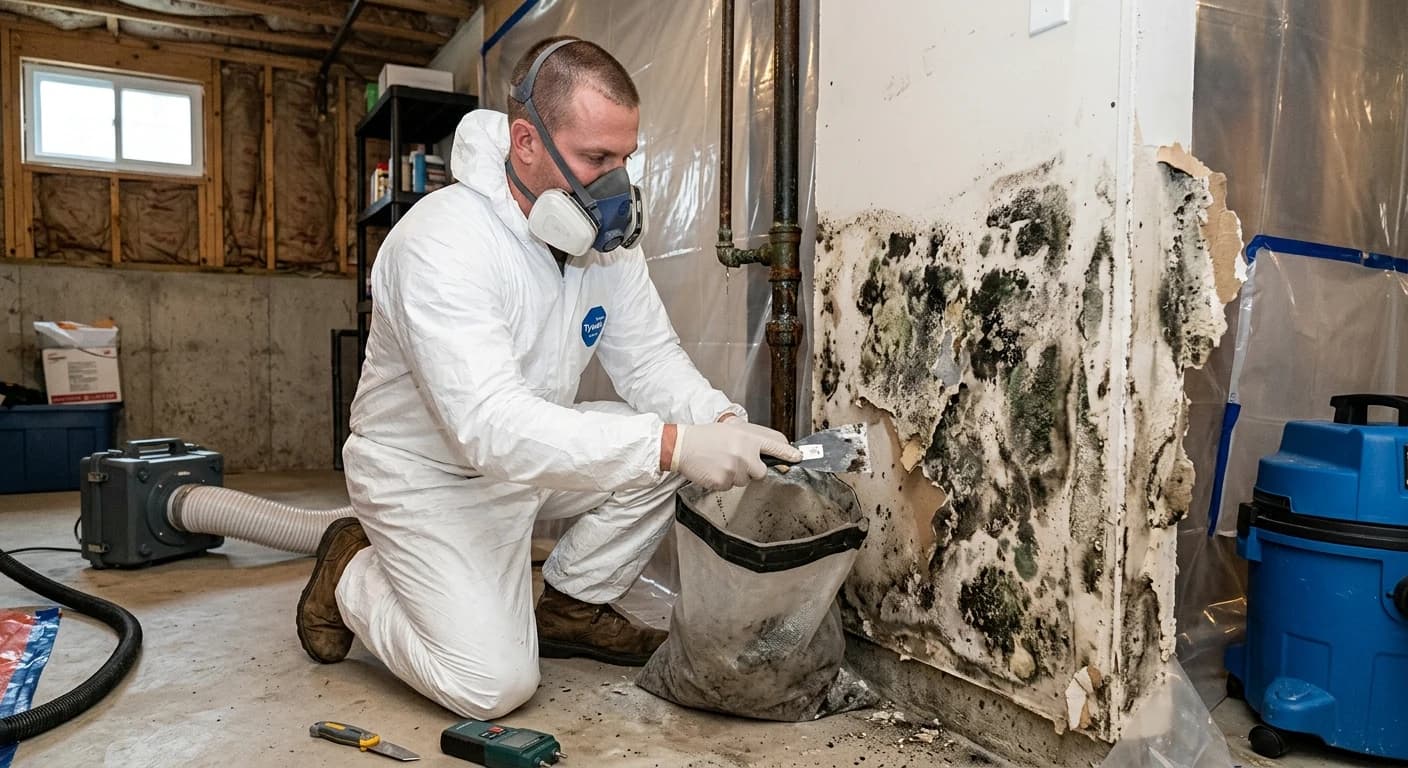
Water damage that is left untreated can significantly impact indoor air quality by fostering an environment conducive to mold and mildew growth. These fungi release spores into the air, which can trigger respiratory issues and allergies, particularly in children and the elderly. To improve air quality and reduce health risks, it's crucial to address water damage quickly and ensure proper ventilation in affected areas. For persistent problems, consulting a professional like Wyckoff Water Damage Restoration is advisable.
### Mold and Mildew Growth
Mold and mildew thrive in damp, dark environments. When water damage is not addressed, these fungi can spread rapidly, often within 24 to 48 hours. Mold releases microscopic spores that can become airborne, posing health risks when inhaled. Common symptoms include coughing, sneezing, and skin irritation. For individuals with asthma or allergies, exposure can exacerbate symptoms or lead to severe reactions.
### Odors and Airborne Contaminants
Beyond health effects, mold and mildew contribute to unpleasant odors that can permeate your home, making living conditions uncomfortable. These odors are often persistent and can be difficult to eliminate without addressing the root cause. In addition to mold spores, water damage can lead to the proliferation of other airborne contaminants, such as bacteria and dust mites, further degrading indoor air quality.
### Ventilation and Air Circulation
Improving ventilation is a key step in combating the effects of water damage on air quality. Consider installing exhaust fans in areas prone to moisture, such as bathrooms and kitchens, to help dissipate humidity. Regularly changing HVAC filters and using air purifiers can also help maintain clean air by trapping spores and other pollutants.
### Mold and Mildew Growth
Mold and mildew thrive in damp, dark environments. When water damage is not addressed, these fungi can spread rapidly, often within 24 to 48 hours. Mold releases microscopic spores that can become airborne, posing health risks when inhaled. Common symptoms include coughing, sneezing, and skin irritation. For individuals with asthma or allergies, exposure can exacerbate symptoms or lead to severe reactions.
### Odors and Airborne Contaminants
Beyond health effects, mold and mildew contribute to unpleasant odors that can permeate your home, making living conditions uncomfortable. These odors are often persistent and can be difficult to eliminate without addressing the root cause. In addition to mold spores, water damage can lead to the proliferation of other airborne contaminants, such as bacteria and dust mites, further degrading indoor air quality.
### Ventilation and Air Circulation
Improving ventilation is a key step in combating the effects of water damage on air quality. Consider installing exhaust fans in areas prone to moisture, such as bathrooms and kitchens, to help dissipate humidity. Regularly changing HVAC filters and using air purifiers can also help maintain clean air by trapping spores and other pollutants.
Can Untreated Water Damage Affect Your Home's Value?
Leaving water damage untreated can decrease your home's resale value. Potential buyers are often wary of purchasing homes with a history of water damage due to concerns about hidden structural issues and mold growth. To maintain the value of your Wyckoff property, it's crucial to address water damage promptly and document all repairs. Properly resolving these issues can reassure buyers and make your home more appealing on the market.
### Home Inspection Challenges
During the selling process, a home inspection can uncover signs of past or present water damage. If buyers discover issues during this inspection, they may request significant price reductions or decide not to proceed with the purchase. By addressing water damage early and providing documentation of repairs, you can mitigate these risks and provide transparency to potential buyers.
### Long-term Financial Implications
Beyond immediate resale value, untreated water damage can lead to escalating costs over time. As damage worsens, repairs become more extensive and expensive. Investing in timely repairs not only preserves your home's value but also prevents future financial burdens.
### Insurance Considerations
Home insurance policies often cover water damage, but claims can be denied if the damage is deemed a result of negligence or lack of maintenance. By addressing water damage promptly and maintaining proper documentation, you can improve your chances of a successful insurance claim, minimizing out-of-pocket expenses.
### Home Inspection Challenges
During the selling process, a home inspection can uncover signs of past or present water damage. If buyers discover issues during this inspection, they may request significant price reductions or decide not to proceed with the purchase. By addressing water damage early and providing documentation of repairs, you can mitigate these risks and provide transparency to potential buyers.
### Long-term Financial Implications
Beyond immediate resale value, untreated water damage can lead to escalating costs over time. As damage worsens, repairs become more extensive and expensive. Investing in timely repairs not only preserves your home's value but also prevents future financial burdens.
### Insurance Considerations
Home insurance policies often cover water damage, but claims can be denied if the damage is deemed a result of negligence or lack of maintenance. By addressing water damage promptly and maintaining proper documentation, you can improve your chances of a successful insurance claim, minimizing out-of-pocket expenses.
What Are the Long-term Health Risks of Untreated Water Damage?
Untreated water damage can pose a variety of long-term health risks to occupants of a home. One of the primary concerns is the growth of mold and mildew, which can lead to chronic respiratory issues. Prolonged exposure to mold spores can cause persistent coughing, wheezing, and even lead to the development of asthma in some individuals. Those with pre-existing conditions or weakened immune systems are particularly vulnerable, making it imperative to address water damage swiftly.
In addition to respiratory issues, water damage can create an environment conducive to bacteria and viruses, increasing the risk of infections. Stagnant water and damp surfaces can harbor harmful pathogens, which can spread throughout the home. This is particularly concerning in areas like kitchens and bathrooms, where hygiene is paramount.
To mitigate these health risks, it's essential to not only repair visible water damage but also ensure thorough drying and dehumidification of affected areas. Using dehumidifiers and air movers can help prevent the growth of mold and bacteria. Regular health check-ups for family members can also be beneficial in detecting any early signs of health issues related to poor indoor air quality. Consulting with health professionals and water damage specialists can provide additional guidance tailored to your specific situation.
In addition to respiratory issues, water damage can create an environment conducive to bacteria and viruses, increasing the risk of infections. Stagnant water and damp surfaces can harbor harmful pathogens, which can spread throughout the home. This is particularly concerning in areas like kitchens and bathrooms, where hygiene is paramount.
To mitigate these health risks, it's essential to not only repair visible water damage but also ensure thorough drying and dehumidification of affected areas. Using dehumidifiers and air movers can help prevent the growth of mold and bacteria. Regular health check-ups for family members can also be beneficial in detecting any early signs of health issues related to poor indoor air quality. Consulting with health professionals and water damage specialists can provide additional guidance tailored to your specific situation.
How to Prevent Water Damage in the First Place
Preventing water damage is more cost-effective and less stressful than dealing with its aftermath. One of the key strategies is regular maintenance of your home's plumbing system. Inspect pipes and fixtures for leaks and corrosion, and address any issues immediately to prevent small problems from escalating. Installing water leak detectors can provide an early warning system, alerting you to potential leaks before they cause significant damage.
Proper drainage around your home is another crucial factor in preventing water damage. Ensure that gutters and downspouts are clear of debris and direct water away from the foundation. Grading the landscape around your home can also help prevent water from pooling near the foundation, reducing the risk of water seepage into basements and crawl spaces.
In areas prone to heavy rainfall or flooding, consider investing in a sump pump to protect your basement from water intrusion. Regularly test the pump to ensure it is functioning correctly and has a backup power source in case of power outages. Sealing windows and doors with weatherproofing materials can also prevent water from entering during storms.
For residents in Wyckoff and similar regions, being proactive with these preventive measures can save significant time and money in the long run. Regular inspections by professionals can identify potential vulnerabilities and offer peace of mind, knowing your home is well-protected against water damage.
Proper drainage around your home is another crucial factor in preventing water damage. Ensure that gutters and downspouts are clear of debris and direct water away from the foundation. Grading the landscape around your home can also help prevent water from pooling near the foundation, reducing the risk of water seepage into basements and crawl spaces.
In areas prone to heavy rainfall or flooding, consider investing in a sump pump to protect your basement from water intrusion. Regularly test the pump to ensure it is functioning correctly and has a backup power source in case of power outages. Sealing windows and doors with weatherproofing materials can also prevent water from entering during storms.
For residents in Wyckoff and similar regions, being proactive with these preventive measures can save significant time and money in the long run. Regular inspections by professionals can identify potential vulnerabilities and offer peace of mind, knowing your home is well-protected against water damage.